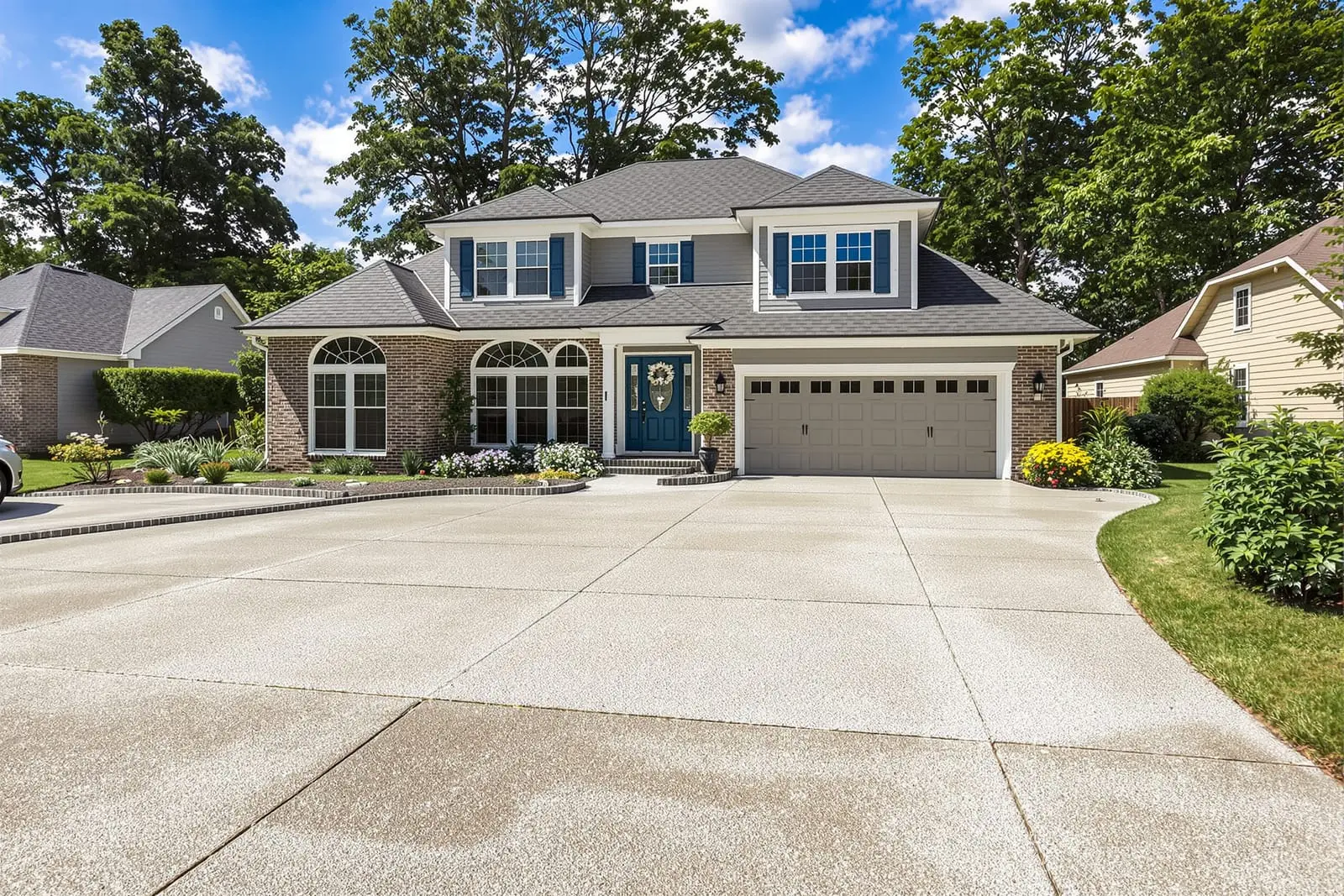
Clear the way for new work with professional concrete demolition in Atlanta, GA. We safely break up and remove old driveways, patios, and slabs of all sizes. Our crew uses proper equipment and disposal methods to minimize disruption and mess. Start fresh with a clean, graded site ready for your next concrete project.
Primetime Concrete Atlanta provides professional concrete demolition throughout Atlanta, GA and the surrounding area. Our licensed, insured crew delivers safe, clean, on-time work with a free estimate before anything begins. Call (470) 970-2915 or request your free quote.
Concrete Demolition & Removal in Atlanta Done the Right Way
Concrete demolition is not just breaking up old slabs. Done correctly, it protects nearby structures, utilities, and future construction plans. Primetime Concrete Atlanta focuses on clean, controlled demolition that fits how properties are actually built in the Atlanta area.
Most of the work we do is removing cracked driveways, heaved sidewalks, failed patios, uneven pool decks, small foundations, and interior slabs in basements or garages. Before we start, we walk the entire area with you, look for signs of past repairs, and ask about any known utilities, drains, or previous work. In many older Atlanta neighborhoods like Kirkwood, Grant Park, and East Point, concrete has been patched and re-poured over the years, so conditions under the slab can be unpredictable.
Our crew evaluates thickness of the concrete, presence of rebar or wire mesh, and how close the slab is to brick veneer, steps, porches, fences, or tree roots. This determines whether we use handheld electric breakers, skid steer mounted breakers, cut lines with a concrete saw for a controlled break, or bring in heavier equipment. The goal is to remove what you want gone while leaving the rest of your property intact and ready for the next phase.
How the Concrete Demolition Process Works Step by Step
Every concrete demolition project for Primetime Concrete Atlanta follows a clear sequence so there are no surprises.
1. Site check and utility review. We confirm access, truck and equipment paths, and disposal plan. For larger slabs or anything near the street, we ask you to submit 811 utility locate tickets in advance when needed, then we verify markings for gas, water, and communications before work begins.
2. Scoring and isolation cuts. Where concrete meets a garage slab, foundation wall, or city sidewalk, we usually saw cut straight lines first. This weakens the slab exactly where we want it to separate so we do not chip the edges of the concrete you are keeping.
3. Breaking the concrete. Depending on the job, we use electric jackhammers, skid steer breakers, or compact excavators with hydraulic hammers. Our operators break concrete into manageable chunks that can be handled safely and loaded efficiently, instead of leaving a pile of random rubble.
4. Rebar and mesh removal. Many Atlanta driveways and garage slabs include wire mesh or rebar, especially in newer construction. We cut or torch these pieces so they come out clean, then keep metal separate for recycling.
5. Loading and hauling. We load broken concrete into dump trucks or roll-off containers and haul it to approved recycling or disposal facilities. Whenever possible we send material to concrete recyclers, which can help reduce dump fees on larger jobs.
6. Final grading and cleanup. After the slab is gone, we rough grade the base with compacted dirt or existing gravel so you are not left with holes or trip hazards. If you are planning new concrete, we leave a surface that is ready for forming and base prep, and we walk the site with you before we leave so you can see what was done.
What Drives the Cost of Concrete Demolition in Atlanta
Primetime Concrete Atlanta prices concrete demolition based on real site conditions, not flat one size fits all numbers. Several specific factors affect the cost of your project.
Thickness and reinforcement. A typical 4 inch residential driveway costs less to remove than a 6 inch commercial style parking pad with heavy rebar. Heavy rebar or double layers of mesh take more labor to cut out and separate.
Access and haul distance. If we can back equipment and trucks close to the work area, demolition and loading move faster. Tight side yards, rear alley access, or elevated slabs that require wheelbarrowing or skid steer shuttling will increase labor time.
Size, location, and obstacles. A simple front driveway off a straight street is more economical than a mix of steps, landings, and retaining wall caps around a backyard pool. Working around HVAC units, gas meters, brick columns, and trees requires slower, more controlled demolition.
Disposal and recycling options. In Metro Atlanta, dump fees vary by volume and by whether material is going to a landfill or a recycling yard. Large clean concrete loads that can go to a recycler are usually cheaper to dump than mixed debris. On some larger projects, we can plan loads to minimize your disposal costs.
Timing and weather. Heavy rain can saturate the soil under slabs, which may cause undermined areas to collapse unexpectedly while breaking, slowing production. In summer heat, we plan earlier start times so noise and disruption are minimized and crews stay safe. Rush schedules or weekend work can also affect pricing when requested.
Common Problems We Solve During Demolition
Concrete demolition often uncovers issues that were not visible on the surface. Primetime Concrete Atlanta has a plan for handling these without derailing your project.
Hidden voids and washouts. In parts of Atlanta with older storm drainage or downspouts that dump next to slabs, water sometimes carries away the sub-base. When we break the slab, sections can drop unexpectedly. Our operators break in smaller sections and keep people clear of the danger zone, then we backfill and compact voids so the new slab will not settle.
Poorly abandoned utilities. We occasionally find old metal pipes, abandoned water lines, or unmarked shallow cables under driveways and carports. When that happens, we stop demolition in that area, show you what we found, and work with you on the next step, which can include a plumber or electrician if the line is still active.
Damage risk to adjacent structures. Brick steps, porch columns, and garage thresholds in Atlanta homes are often directly tied into the old concrete. We use saw cuts and, when necessary, more hand work near those elements so vibration does not crack mortar joints or shift columns.
Dust, debris, and neighbor concerns. Concrete demolition is noisy and can create dust if not controlled. We keep work areas damp when needed, monitor debris so it stays on your property, and plan equipment staging to avoid blocking shared driveways as much as possible. For tight in-town neighborhoods, we can schedule work within HOA or city noise guidelines when you let us know the restrictions.
How Atlanta Weather and Soil Affect Concrete Removal
Local conditions around Atlanta have a big impact on how concrete demolition and removal should be planned.
Clay soils. Much of Metro Atlanta has red clay that holds water, swells, and shrinks through the seasons. When we remove old slabs, we pay attention to soft spots and pumping water under the concrete, especially near downspouts or low areas. If you are planning replacement concrete, we may recommend extra base prep or drainage improvements before the new pour so you do not repeat the same failure.
Rain patterns. Atlanta sees frequent storms, especially in spring and summer. Outdoor demolition on steep driveways, retaining walls, or hillside patios may need to be scheduled around forecasted heavy rain to avoid creating muddy ruts or unsafe working surfaces. If rain hits mid-project, we secure the site so that loose debris and sediment do not wash into the street or storm drains.
Heat and curing plans. Many homeowners plan demolition just before new concrete is poured. In summer heat, we suggest a short gap between removal and replacement so the base layer can dry and be properly compacted. This leads to better results for the new slab. Primetime Concrete Atlanta coordinates timing with your new concrete schedule when we are handling both phases or when we are working with your chosen installer.
Tree roots and shade. Atlanta lots often have large oaks and pines close to driveways and walkways. Roots can lift slabs and will often be exposed during demolition. We can cut and remove nuisance roots in the work zone while avoiding major structural roots when possible, and we will tell you when a certified arborist should be consulted before cutting larger roots.
Working With Primetime Concrete Atlanta From Estimate to Clean Site
Our goal is to make concrete demolition and removal straightforward, even when the work is noisy and messy. The process begins with a site visit where we listen to what you want removed and what you plan to build next. We measure, check site access, and identify hazards, then provide a written estimate that separates demolition, hauling, and any optional grading or prep work.
Scheduling is set around your needs and any HOA or city restrictions. On the first day of work, our crew reviews the plan with you, confirms areas to be protected, and sets up any needed barriers or plywood for turf and driveway protection. Throughout the job, you have a clear point of contact on site who can answer questions and adjust details in real time within the scope of work.
At the end of demolition, we walk the site with you so you can confirm that all targeted concrete was removed, that debris is gone, and that access is ready for the next contractor or for our own installation crew if you are having new concrete placed. Primetime Concrete Atlanta leaves the site broom clean where practical for the conditions, with haul tickets or disposal documentation available on request for larger commercial or permitting needs.
If you are not sure how far to take the demolition, for example whether to remove a partial driveway or go all the way to the street, we can talk through cost differences, impact on resale, and how the new layout will function. Our focus is on giving you usable information so you can choose the scope that fits your property and budget.
“
Professional concrete demolition & removal, done right the first time, quality materials, honest pricing, and results that last.
Primetime Concrete Atlanta
Concrete Demolition & Removal Across Our Service Area