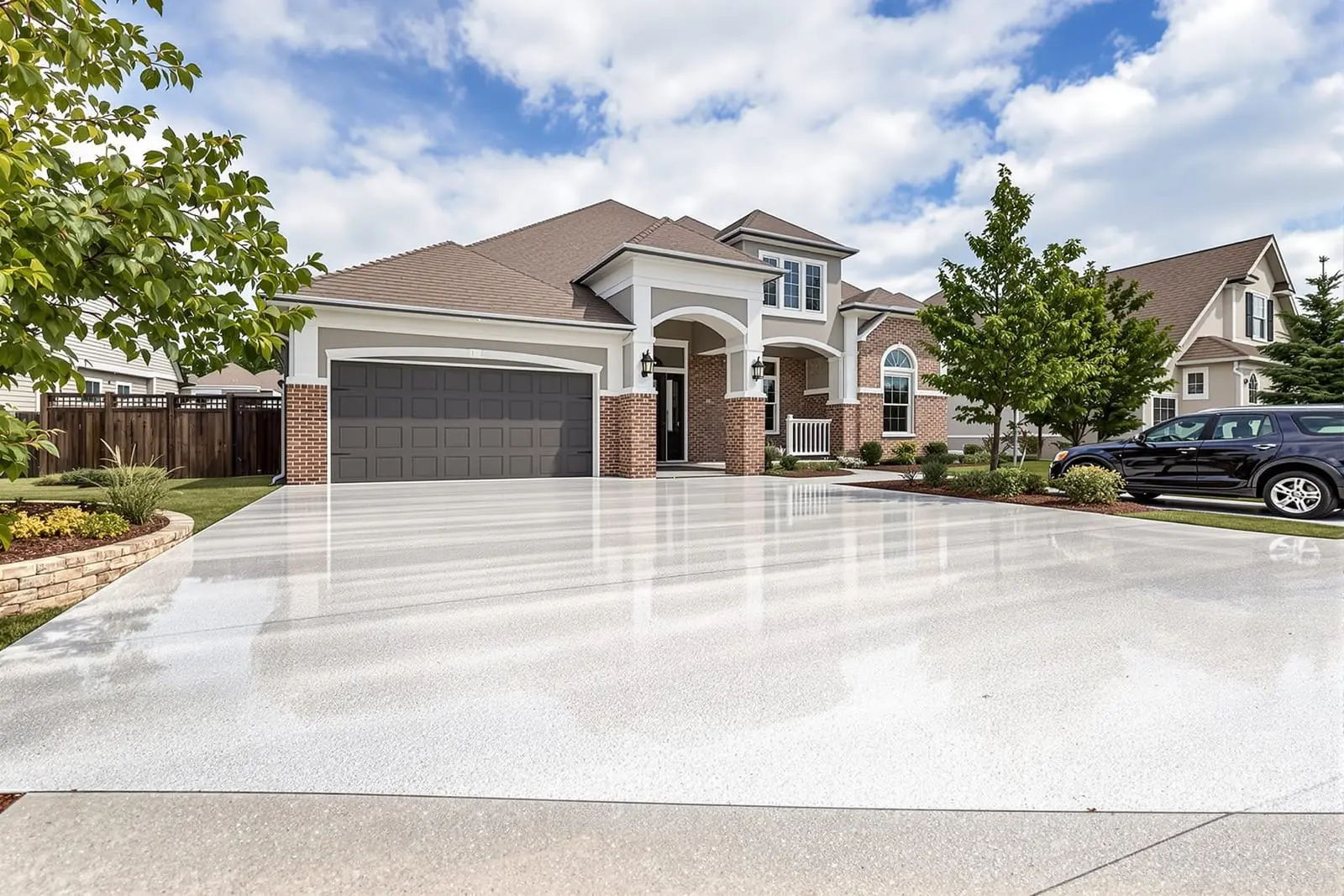
Maintain a safe property with commercial concrete repair in Atlanta, GA. We fix spalling, cracking, and settlement issues in walks, lots, and slabs. Our solutions range from joint sealing and patching to full depth replacement or resurfacing. Protect visitors and extend the life of your concrete with targeted repairs.
Primetime Concrete Atlanta provides professional commercial concrete repair throughout Atlanta, GA and the surrounding area. Our licensed, insured crew delivers safe, clean, on-time work with a free estimate before anything begins. Call (470) 970-2915 or request your free quote.
Commercial Concrete Repair in Atlanta That Solves Problems, Not Just Covers Them
If you manage a commercial property in Atlanta, you already know that cracked, sunken, or spalled concrete is more than an eyesore. It creates trip hazards, liability concerns, and can let water get into places it does not belong. Primetime Concrete Atlanta focuses on commercial concrete repair and resurfacing that actually solves these problems instead of hiding them for a season.
On a typical Atlanta property we start with a walk through and detailed assessment. We look at patterns in the cracking, where water is draining or pooling, how close tree roots are, and what kind of traffic the slab sees (box trucks, forklifts, carts, or just foot traffic). We check the thickness of the concrete at exposed edges, note existing coatings or sealers, and test suspect areas with a hammer to identify hollow or delaminated spots. This tells us whether you need structural repair, trip hazard correction, or mostly cosmetic resurfacing.
For many commercial sites in the metro area the main issues are sunken panels at sidewalks or entrances, damaged expansion joints in loading zones, or flaking surfaces in older parking lots. Our job is to match the repair method to the real cause. If settlement from poorly compacted soil is the problem, we fix the base first. If deicer damage or repeated pressure washing has opened the surface, we rebuild the wear layer with the right mix and protective coating. The goal is to give you concrete that will hold up to Atlanta heat, humidity, and sudden heavy storms without failing again a year later.
How Our Concrete Repair & Leveling Process Works
Once we have inspected your property, we map out repair areas and choose specific methods for each location. Commercial concrete repair is rarely one size fits all. A sunken sidewalk panel near a MARTA stop needs a different approach than a cracked dumpster pad or a warehouse interior slab.
For settled concrete panels we often use a polyurethane foam lifting process. Small holes are drilled in the slab, then a high density foam is injected to fill voids and raise the concrete back into level. In Atlanta clay soils this is especially helpful because it resists future moisture changes better than traditional mudjacking. Where the soil is too unstable or panels are badly broken, we may recommend removing and replacing specific sections and re compacting the base with crushed stone.
Cracks are treated based on type. Movement cracks near control joints are routed and filled with flexible joint sealant that can move with temperature swings. Static cracks in low movement areas are cleaned and filled with structural epoxy or high strength repair mortar. Surface spalling and flaking are ground down with concrete grinders to reach sound material, then rebuilt with polymer modified resurfacing compounds designed for commercial traffic.
Throughout the work we manage dust control and access so your business can keep running. For example, we often phase projects by entrance or by loading bay, scheduling noisy grinding or saw cutting during slower hours. We put up clear cones and caution tape, and we feather transitions so customers, carts, and dollies can cross new work areas safely as soon as they are ready.
Resurfacing Options: From Plain Functional to Branded and Slip Resistant
If your concrete is structurally sound but looks tired, stained, or patchy, resurfacing may be the best path. Primetime Concrete Atlanta can install a new wear layer over existing slabs that bonds tightly and hides old repairs, oil stains, or discolored patches.
For simple high traffic areas like loading docks, utility areas, or back of house walkways, a broom finish resurfacer is often enough. We grind, clean, and sometimes shot blast the slab to get a good profile. Then we apply a polymer modified overlay that is pulled with screeds and finished with a light broom texture to improve traction when Atlanta storms roll in and everything gets slick.
For entry plazas, retail sidewalks, and restaurant patios, you may want something more decorative. We offer integrally colored overlays, stained finishes, and saw cut patterns that can echo tile or stone at a lower cost. Logos or directional markings can be integrated using tinted sealers or stencils, which is handy for apartment communities, schools, and office parks that want clear wayfinding while keeping a professional look.
In interior commercial spaces like showrooms, lobbies, and production areas, we can apply resurfacing systems that accept epoxy or urethane topcoats. These provide chemical resistance and easy cleaning, which is helpful for auto shops, food prep areas, and warehouses. Anti slip additives can be adjusted by area, so you can have smoother surfaces in office corridors and more texture at entries and ramps where rain is frequently tracked in.
What Affects Cost and Timing for Commercial Concrete Repair in Atlanta
No two projects price the same, and we try to be very upfront about what drives the numbers. With commercial concrete repair and resurfacing, cost is controlled mostly by access, thickness, and how much prep work is needed.
Access is a big factor in dense parts of Atlanta like Midtown, Buckhead, and Downtown. If our crew can get grinders, mixers, and materials right up to the slab, work goes quickly. If we are hauling everything through a service corridor, up a ramp, or around active traffic lanes, that extra labor time affects price. Working in tight nighttime windows or coordinating with other trades in a renovation can also influence cost.
Surface prep is another major driver. Concrete that has multiple layers of old sealer, adhesive from removed flooring, or heavy oil staining needs more grinding or shot blasting to create a surface that overlays will stick to. In some older industrial buildings there are unknown coatings that must be mechanically removed and vacuumed up before new systems can be applied.
Local weather and temperature impact scheduling. In Atlanta, summer heat can accelerate cure times, so we typically pour or overlay early in the morning and use mix designs suited for higher temperatures. In colder snaps, especially January and February, we may adjust start times or use accelerators to keep projects on track. For exterior work, we watch the forecast closely to avoid sudden thunderstorms that could wash out a fresh surface. When we meet with you, we outline how long each area will be out of service so you can plan deliveries, tenant access, or event schedules.
What Atlanta Property Managers Should Know Before Hiring a Concrete Contractor
Choosing the right partner for commercial concrete repair is as important as the repair method itself. Primetime Concrete Atlanta encourages property managers and owners to ask a few key questions of any contractor they are considering.
First, confirm experience with occupied commercial sites. Repairing concrete at a live retail center, hospital, school, or distribution facility is different from working on a vacant lot. The contractor should have a clear plan for staging, noise control, dust management, and pedestrian routing. Ask to see photos of similar projects, and do not hesitate to request references from local clients.
Second, ask exactly what materials will be used and how they are installed. Short term patches using basic bagged concrete mix might be fine for a temporary fix, but they rarely hold up under rolling loads and Atlanta freeze and thaw cycles. We specify commercial grade repair mortars, joint sealants, overlays, and sealers matched to your use case, whether that is a drive lane, a pedestrian courtyard, or a warehouse aisle.
Third, talk about maintenance. Even the best repair or resurfacing system needs some basic care. We provide written guidance on cleaning methods, sealer recoat intervals, and what to avoid. For example, aggressive metal shovels or certain deicers can shorten the life of your new surface. With light routine maintenance, most resurfaced commercial slabs can look good and function well for many years.
Finally, make sure the contractor is properly insured and familiar with local codes and ADA requirements. When we correct trip hazards at sidewalks, ramps, and curb cuts, we keep slope, cross slope, and detectable warning needs in mind so your improvements support accessibility and reduce liability. Our goal is to repair your concrete and protect your investment, while keeping your tenants, customers, and staff safe every day.
“
Professional commercial concrete repair & resurfacing, done right the first time, quality materials, honest pricing, and results that last.
Primetime Concrete Atlanta
Commercial Concrete Repair & Resurfacing Across Our Service Area